🏛️ Bruges Historic Centre (Belgium)
🔎 Quick Facts and Why It Matters
Bruges Historic Centre is a beautifully preserved medieval city in Belgium, known for its winding canals, cobbled streets, and iconic architecture. Its well-preserved beauty earns it the nickname "Venice of the North."
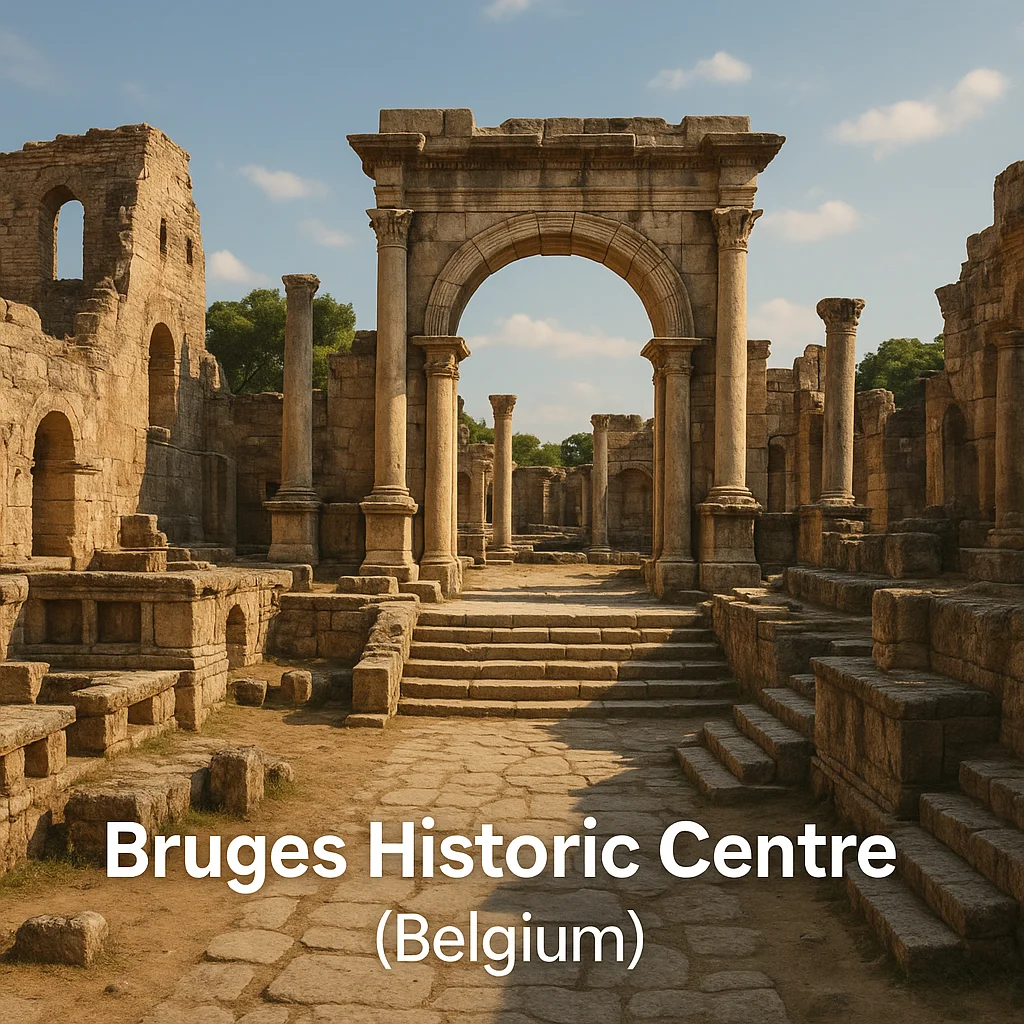
This UNESCO World Heritage Site offers a unique experience for visitors who wish to step back in time and explore the cultural and historical richness of a medieval urban landscape. The Historic Centre is best explored on foot, allowing travelers to take in the myriad details that make Bruges remarkable.
In this guide, you'll learn about the history of Bruges, its architectural delights, must-see highlights, and practical tips for an enjoyable visit. Whether you're planning a short tour or a detailed exploration, this guide aims to ensure you get the most out of your visit.
- Country/Region: Belgium, West Flanders
- Era: Medieval Period, thriving since the 11th century
- Typical Visit Length: 1–2 days
- Accessibility: Mostly walkable, some cobbled and uneven streets
- Best Season: Spring and autumn for mild weather
- Highlights: Belfry of Bruges, Markt Square, canals
- Experience Level: Suitable for all ages
🗺️ Where It Is and How to Orient Yourself
Bruges Historic Centre is located in the city of Bruges, in the Flemish Region of Belgium. It lies approximately 100 kilometers west of Brussels, the capital city, making it relatively easy to reach for international travelers.
Visitors typically arrive via Brussels Airport or the railway network, with direct train connections available from Brussels, a common gateway for many visitors. While Bruges can be seen on a day trip, an overnight stay is recommended to fully enjoy its charm, especially when the day-tripper crowds have dispersed.
Nestled in a coastal area of Northwest Europe, Bruges is characterized by a network of canals that give visitors a picturesque view reminiscent of a fairy tale. The town's historic core forms a walkable pattern, with much of interest within a compact area.
🕰️ History in a Nutshell
Bruges rose to prominence during the 11th century when it became a key trading port in Europe. It was established by the Counts of Flanders who sought to capitalize on the region’s economic potential. The city soon became an important center for trade and commerce.
During its peak in the 12th and 13th centuries, Bruges flourished economically, benefiting from its position on the Hanseatic trade routes. However, by the late 15th century, the city began to decline due to the silting of its main waterway, which shifted economic activities elsewhere.
The city owes its preservation to this economic decline, as stagnation prevented modern developments from altering the medieval architecture. Today, Bruges remains a well-preserved snapshot of medieval urban life.
⭐ Top Highlights You Should Not Miss
- Belfry of Bruges
- Markt Square
- Groeningemuseum
- Church of Our Lady Bruges
- The Canals of Bruges
The Belfry of Bruges, a centerpiece of the city, stands 83 meters high and offers panoramic views of the city. For the best photo, capture the full structure visible from the Markt Square, surrounded by historic buildings and bustling activity.
Markt Square is the vibrant heart of Bruges, lined with colorful Flemish stepped-gable houses. The entire square is best captured in the morning when the light highlights its vibrant scenes.
The Groeningemuseum houses an impressive collection of Flemish and Belgian art, providing a cultural treasure trove of paintings that span centuries.
The Church of Our Lady Bruges is renowned for its towering 122-meter spire and houses Michelangelo’s Madonna and Child. A wide view with the surrounding architecture offers a perfect framing for photos.
The canals of Bruges offer serene boat rides, giving visitors a unique perspective of the city’s historical façades in a full structure visible from the water.
🧱 Architecture, Materials, and Design (Made Simple)
The architecture of Bruges is an eclectic blend of medieval Gothic and Renaissance styles, mostly constructed with locally sourced brick and stone. These materials allowed for the erection of robust structures that have withstood the test of time.
The Gothic influence is unmistakable, with its pointed arches, ribbed vaults, and flying buttresses. This style is exemplified by the ornate townhouses and grand ecclesiastical buildings throughout the city.
Unique features of Bruges include its highly detailed facades, often adorned with intricate carvings and gabled roofs that are characteristic of the region. The canal-side houses with their stepped gables are particularly distinctive and have been carefully preserved or thoughtfully restored over time.
🎟️ Visiting Guide (Time, Tickets, and What to Expect)
Visitors typically spend between 3 hours for a quick overview to 2 days for a more in-depth exploration of Bruges Historic Centre. There are no entrance gates; instead, notable landmarks, such as the Belfry, may require separate entry tickets which are subject to seasonal changes.
Operating hours for museums and the Belfry usually run from morning until late afternoon, but it's essential to check current schedules as they are subject to change. Guided tours can enrich the experience, providing insights into historical contexts and hidden stories.
For first-timers, it’s best to start early to avoid crowds. Bring a hat, sunscreen, and comfortable shoes, particularly as much of the city is paved with cobblestones. Water and a map can be handy for navigating its winding streets.
🚆 How to Get There and Move Around
Bruges is accessible by train with regular connections from Brussels and other major Belgian cities. Once in Bruges, the Historic Centre is best explored on foot, with several walking routes guiding you through key landmarks.
Most main sites are within a reasonable walking distance of each other, but comfortable shoes are essential due to the cobbled streets. For those with mobility considerations, notable challenges include occasional steep steps and uneven surfaces.
🌤️ Best Season, Weather, and Time of Day
The best seasons to visit Bruges are spring (April to June) and autumn (September to November) as the weather is mild, and the crowds are fewer. The early morning or late afternoon provides the ideal conditions for photography and a leisurely exploration of the city.
During rainy days, which are quite common in Belgium, visitors can take shelter in the numerous museums or enjoy a warming Belgian hot chocolate in a cozy cafe.
⚠️ Safety, Rules, and Respectful Etiquette
When visiting Bruges, it's important to wear comfortable and sturdy footwear to tackle uneven paths. Respect quiet areas and sacred spaces by keeping noise to a minimum.
Photography is generally welcome; however, flash photography and drones may be restricted around historic sites, so it's crucial to adhere to posted signs.
Preserve the conservation efforts by not climbing on structures or touching delicate carvings. Be mindful of slippery cobblestones after rain and practice respectful behavior towards other visitors and locals.
🗺️ Nearby Places and a Simple One-Day Itinerary
In addition to the Historic Centre, there are several nearby attractions worth exploring, such as the serene Minnewater Park, the picturesque Beguinage, and the Frietmuseum dedicated to Belgium's famous fries.
- Morning: Start with a stroll around Minnewater Park
- Midday: Visit the Beguinage and explore its tranquil gardens
- Afternoon: Head to the Markt Square for lunch and a tour of the Belfry
- Evening: Enjoy a canal cruise or dine at a traditional Flemish restaurant
🧩 Stories, Myths, and Common Questions
Q: Is Bruges really a "lost city"?
A: No, while Bruges did experience a period of economic decline, it was never truly "lost" and has been continually inhabited.
Q: Who built Bruges?
A: Bruges was established by the Counts of Flanders and developed as a major trading hub during the medieval period.
Q: Is a visit to Bruges suitable for children?
A: Yes, the city is kid-friendly with many parks, canals, and open spaces, though supervision on cobblestone streets is recommended.
Q: Is hiring a guide worthwhile?
A: Hiring a guide is beneficial for those interested in gaining deep historical insights and hearing fascinating anecdotes.
📌 Summary and Who This Site Is Best For
- A well-preserved medieval city
- Located in Bruges, Belgium, part of the Flemish region
- Once a thriving medieval trading center
- Highlights include the Belfry, Markt Square, and canals
- Primarily Gothic architecture built with brick and stone
- Plan for 1–2 day visits depending on interest level
- Best visited in spring and autumn for mild temperatures
- Comfortable shoes recommended for cobblestone streets
- Nearby attractions like Minnewater Park and the Beguinage
- Known as the "Venice of the North" for its charm
Bruges Historic Centre will appeal to families, photographers, and history enthusiasts alike. Its medieval charm and picturesque scenery make it a worthy addition to any travel itinerary.
Whether you're interested in history, architecture, or simply a beautiful setting, Bruges offers a rich experience without the need for lengthy travel or planning.
Encouraging responsible and respectful visits ensures the site remains an inspiring destination for future generations.