🏛️ Tōdai-ji (Japan)
🔎 Quick Facts and Why It Matters
Tōdai-ji is a historic Buddhist temple complex located in Nara, Japan, renowned for housing the Great Buddha Hall, one of the largest wooden structures in the world. This temple is a testament to Japan's rich religious heritage and architectural genius.
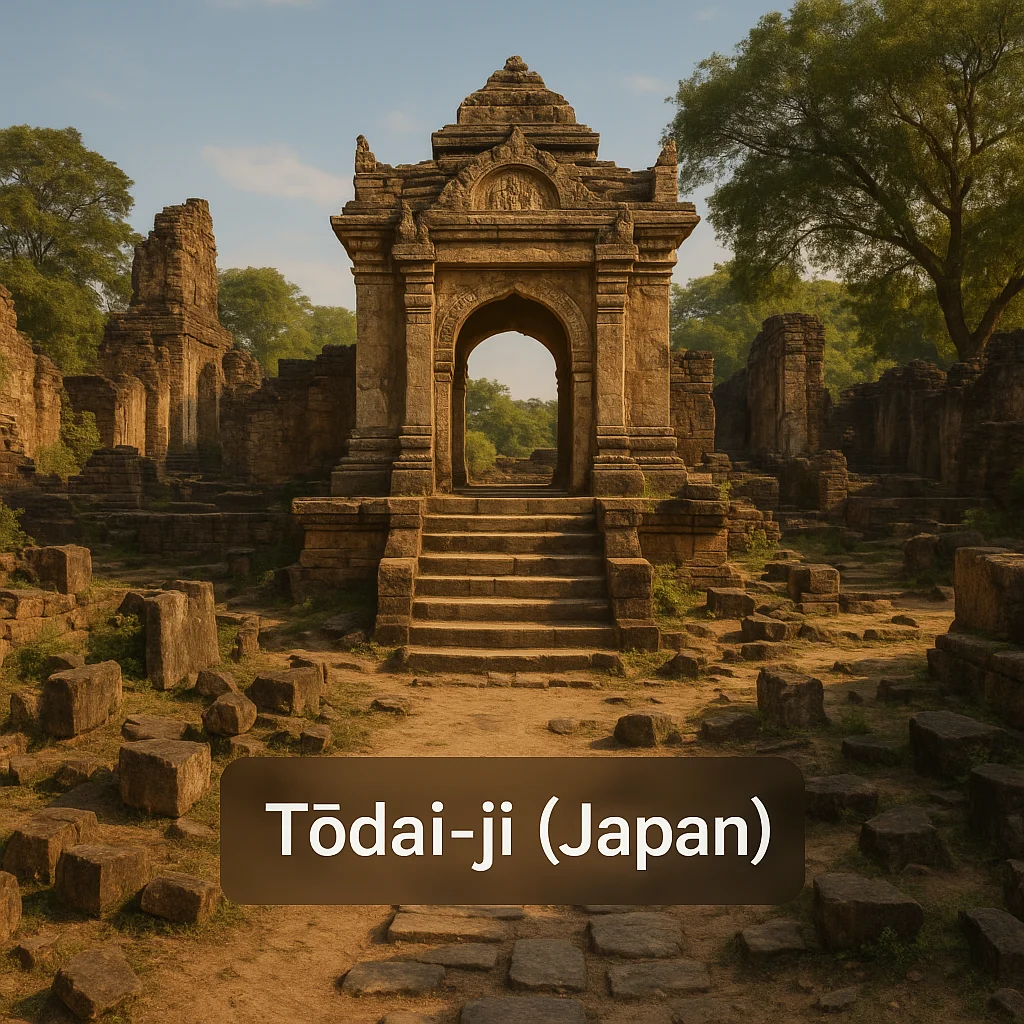
One of the most significant aspects of Tōdai-ji is its colossal statue of Vairocana Buddha, which draws visitors from around the globe. The experience of walking through the temple grounds allows visitors to immerse themselves in the serenity and grandeur of this sacred space.
This guide will provide insights into the history, architecture, and noteworthy features of Tōdai-ji, helping you plan a memorable visit. Expect to learn about the temple's significance, the best photo spots, and practical visiting tips.
- Location: Nara, Japan
- Era: 8th century
- Typical visit length: 2–3 hours
- Difficulty: Easy, but expect some walking
- Best season: Spring (cherry blossoms), Autumn (fall colors)
- Highlight: Great Buddha Hall
🗺️ Where It Is and How to Orient Yourself
Tōdai-ji is situated in the city of Nara, within the Kansai region of Japan. This area is known for its historical significance and natural beauty. Nara is easily accessible from major cities such as Kyoto and Osaka, often serving as a cultural day trip destination.
The nearest major gateway is Kansai International Airport or the city of Osaka, which offers efficient rail connections to Nara. Visiting Tōdai-ji as part of a day trip is feasible, but staying overnight allows for a deeper exploration of Nara's other historical sites.
The temple is located in a park-like setting, offering a pleasant environment for walking. Picture wide pathways, gentle slopes, and lush greenery surrounding the temple complex, painting a serene backdrop for your visit.
🕰️ History in a Nutshell
Tōdai-ji was commissioned by Emperor Shōmu in the mid-8th century during the Nara period, a time when Buddhism was nationalized as the state religion of Japan. The temple served as a religious hub and housed the Great Buddha as a symbol of peace.
The complex reached its peak during this era, but over the centuries, it suffered damage from civil strife and natural disasters. Despite these challenges, Tōdai-ji has undergone several restorations, allowing much of its glory to be preserved today.
The resilience and religious dedication embedded in Tōdai-ji’s survival make it a powerful representation of Japan's spiritual and cultural continuity.
⭐ Top Highlights You Should Not Miss
- Great Buddha Hall (Daibutsuden)
- Vairocana Buddha Statue
- South Gate (Nandaimon)
- Nigatsu-dō (February Hall)
- Sangatsu-dō (March Hall)
The Great Buddha Hall is the centerpiece of Tōdai-ji, notable for its immense size and architectural prowess. It's one of the largest wooden buildings in the world, and from the best photo spot near the entrance, you can capture a full view of its impressive façade.
The Vairocana Buddha Statue is a must-see, and approaching it, you'll feel the serene weight of its spiritual significance. Take a moment to admire the intricate details at the base and the expansive hall enveloping the statue.
Make sure to pass through the majestic South Gate with its giant guardian statues, a perfect place to take a wide-angle photo showing the gate and the pathway leading up to the temple.
🧱 Architecture, Materials, and Design (Made Simple)
The architecture of Tōdai-ji primarily features wood, a vital material in traditional Japanese building practices. The structures utilize complex joinery techniques that withstand the test of time, demonstrating an interplay of aesthetics and engineering brilliance.
Architecturally, Tōdai-ji reflects influences from the Tang dynasty of China, seen in its wooden pillars, broad eaves, and tiled roofs. These elements collectively create an awe-inspiring composition.
Visitors should take note of the intricately carved guardian statues and the unique openings at the base of some wooden columns, reputedly designed for good luck when passed through.
🎟️ Visiting Guide (Time, Tickets, and What to Expect)
For a quick visit, plan to spend at least 1–2 hours exploring the main attractions. A standard visit with a closer look at the architecture and gardens may take 2–3 hours, while a deeper exploration including nearby sites could take half a day.
The temple area generally operates from the morning until late afternoon, though specific hours can change with the seasons. There's usually an entry fee for key areas, while some zones remain accessible for free.
First-time visitors should aim to arrive early to avoid crowds, especially during peak tourist seasons. Comfortable walking shoes, water, and a hat for sun protection are recommended.
🚆 How to Get There and Move Around
Nara can be accessed via a well-connected public transportation network, with trains being the most popular choice. Buses and taxis are also available from the train station to reach Tōdai-ji directly.
For beginners, the main approach to Tōdai-ji is through Nara Park, providing a scenic route with opportunities to encounter Nara's famous deer, believed to be messengers of the gods.
Most areas within Tōdai-ji are easily walkable, though there are some uneven paths and stairs. Those with mobility issues should account for potential challenges when planning their visit route.
🌤️ Best Season, Weather, and Time of Day
The best seasons to visit Tōdai-ji are spring, when cherry blossoms adorn the landscape, and autumn, when the park bursts into vibrant hues. These times of year offer mild weather and picturesque settings for photography.
Early morning or late afternoon visits are ideal for enjoying the temple's ambiance with softer lighting and fewer crowds. This timing also enhances the experience of exploring the temple’s intricate details and expansive surroundings.
On rainy days, consider visiting the museums located adjacent to the temple, where you can admire historic artifacts and learn more about Tōdai-ji’s storied past in sheltered comfort.
⚠️ Safety, Rules, and Respectful Etiquette
When visiting Tōdai-ji, it’s advisable to wear sturdy shoes, as the paths can be uneven and slippery, especially after rain. Mindful walking contributes to the preservation of the site.
Visitors should maintain a respectful demeanor, particularly in sacred areas where silence is appreciated. Follow signs regarding photography, as flash or drone use may be limited.
It’s crucial to stay on marked paths and refrain from touching ancient statues or inscriptions to aid conservation efforts. Awareness of personal belongings is also recommended to prevent misplacement amid crowds.
🗺️ Nearby Places and a Simple One-Day Itinerary
In addition to Tōdai-ji, Nara offers a range of attractions worth exploring, from cultural landmarks to natural beauty spots.
- Morning: Visit Tōdai-ji and explore Nara Park.
- Midday: Head to Nara National Museum for a cultural interlude.
- Afternoon: Discover Kasuga-taisha, another significant Shinto shrine.
- Evening: Stroll through Naramachi, a charming old town with traditional buildings.
This itinerary provides a balanced day of appreciation for Nara’s rich history and cultural tapestry, catering to a leisure pace suitable for beginners and seasoned travelers alike.
🧩 Stories, Myths, and Common Questions
Is Tōdai-ji a lost site? Many people mistakenly believe Tōdai-ji is a “lost” site; however, it has continuously been a place of worship and pilgrimage.
Who built the Great Buddha? The Great Buddha was commissioned by Emperor Shōmu in the 8th century as a symbol of hope and peace. It required significant resources and labor from across Japan.
Is the walk to Tōdai-ji difficult? The path to Tōdai-ji is easily accessible and involves strolling through parkland with minor inclines, making it suitable for families with children.
Should I hire a guide? A guide can enrich your visit with detailed background and stories; however, informative signs offer context, making solo exploration quite rewarding as well.
📌 Summary and Who This Site Is Best For
- A UNESCO-listed Buddhist temple complex
- Located in Nara, Japan
- 8th-century historical and spiritual significance
- Housing giant Vairocana Buddha statue
- Architectural marvel built mainly of wood
- Visit duration: 2–3 hours for a thorough visit
- Best visited in spring and autumn for optimal weather
- Respectful behavior and careful navigation required
- Nearby cultural and natural attractions in Nara
- Awe-inspiring contribution to Japan’s religious heritage
Families, photographers, history enthusiasts, and those seeking a peaceful retreat will find Tōdai-ji a rewarding experience. The mix of cultural insight, serene landscapes, and architectural grandeur justifies the effort to visit.
Tōdai-ji stands as a symbol of religious harmony and cultural endurance, worth exploring for its unique role in Japan's historical narrative.
By engaging with Tōdai-ji's past and its present form, visitors can gain a deeper appreciation for the traditions and innovations of historical Japan.